
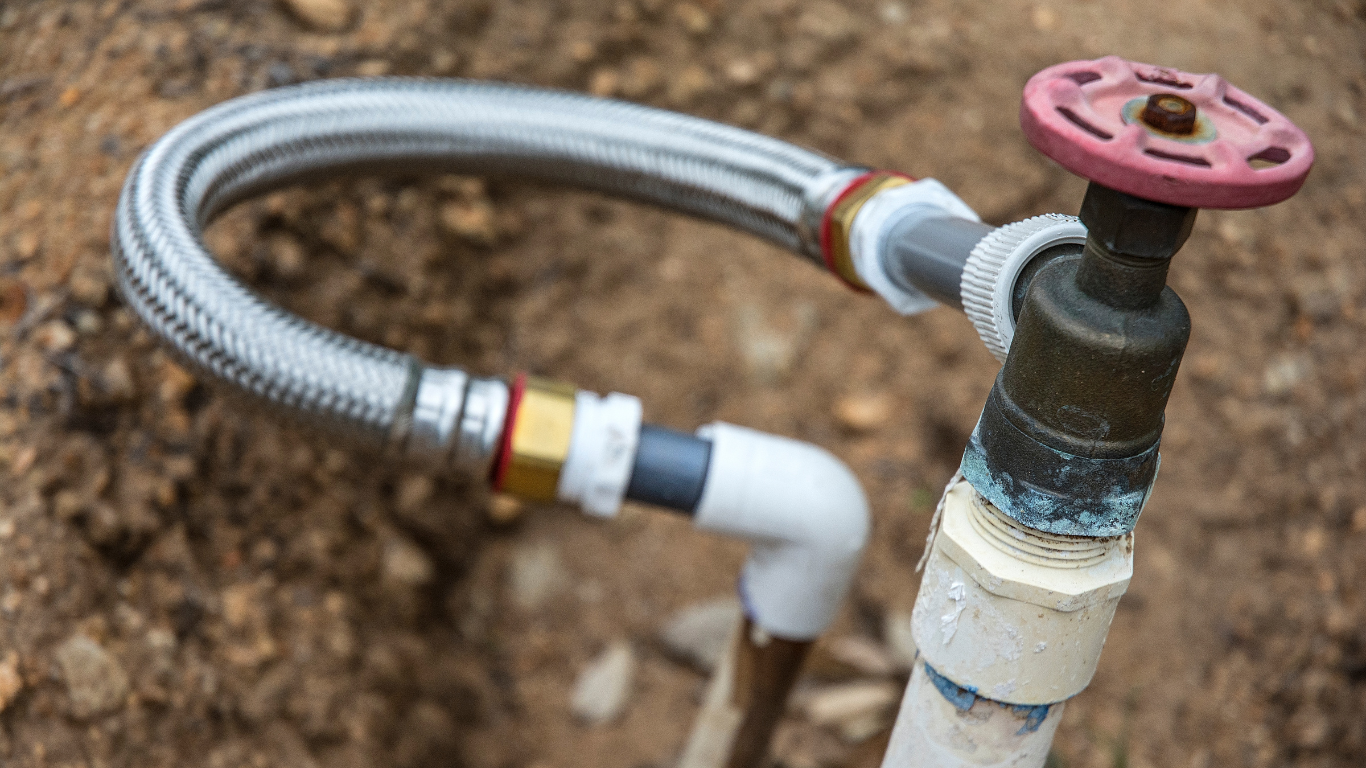
The Role of Valve Maintenance in Keeping Commercial Irrigation Systems Efficient
If you’ve ever dealt with a patchy lawn, high water bills, or dry plants even when your irrigation system is running, there’s a good chance a valve is to blame. In commercial irrigation systems, valves are the unsung heroes. We distribute water across different areas and use timers, controllers, and pressure regulation to manage each zone efficiently. But even a well-engineered irrigation system can hardly work well without continual valve maintenance, making it ineffective and unnecessarily increasing the cost of repairs.
At Irrigation Specialists, we help businesses avoid these problems with brilliant, proactive service that keeps valves—and entire systems—working precisely as they should.
Why Valves Matter in Commercial Irrigation
Valves act like traffic controllers for your irrigation system. Each one opens and closes to allow water to reach specific areas of your landscape. Whether it’s the flower beds near the entrance, a shaded turf zone, or planters along a sidewalk, every section relies on its valve to deliver the right amount of water at the right time.
Because commercial properties often cover large areas with varied landscaping, they use multiple valves to handle different zones. These valves must work in sync with irrigation controllers and sensors to manage water flow accurately. If one valve sticks, fails, or leaks, it can throw off the entire schedule and disrupt the balance your landscape depends on.
Over time, commercial systems also experience more wear and tear than residential ones. High daily usage, environmental exposure, and complex layouts stress valves, so consistent valve maintenance becomes even more critical on commercial properties.
What Happens When Valves Malfunction
One faulty valve can cause a ripple effect of problems. For starters, stuck-open valves lead to overwatering. Overwatering or poor drainage can result in soggy areas, plant stress, root rot, and mildew around walkways or buildings. Conversely, a valve that won’t open at all leaves parts of your landscape dry, brittle, and unevenly watered.
When valves don’t function properly, pressure within the system can become unbalanced. Uneven water pressure leads to weak spray in some zones and forceful bursts in others, which is bad for water efficiency and plant health.
Beyond damage to your landscape, bad valves waste a ton of water, in a state like Florida, where many businesses already work hard to conserve resources, that waste hits both your conscience and your wallet. Leaks, misfires, or pressure issues caused by worn valves quickly drive up utility bills. And if you don’t catch it early, those minor leaks can become major repairs.
Why Regular Valve Maintenance Is a Smart Move
Here’s the good news: staying on top of valve maintenance helps you avoid all that. Routine care ensures that your system remains efficient, dependable, and hassle-free.
When your valves work well, your system uses only as much water as necessary. That’s good for your landscape and great for the environment. You’ll also enjoy more consistent watering coverage, which means your plants look better, live longer, and require less attention.
Another big win? Cost savings. Small maintenance tasks are more cost-effective than emergency repairs or full valve replacements, such as cleaning a filter or replacing a solenoid. A little effort now prevents bigger expenses later.
Think of valve maintenance like regular tune-ups for your car. It’s not glamorous, but it keeps everything running smoothly and saves you time, money, and stress in the long run.
What Proper Valve Maintenance Looks Like
Good valve maintenance starts with a detailed inspection. At Irrigation Specialists, we look for wear and tear, signs of corrosion, dirt buildup, or clogging that might cause trouble later. Sometimes we’ll test cycles to see if the valve opens and closes like it should or reacts too slowly.
Cleaning is a big part of the process. Dirt, mulch, or insects can block valves or cause them to leak. We carefully remove any buildup and check seals to ensure everything sits tight. If a diaphragm, spring, or solenoid looks worn out, we replace it on the spot to avoid problems down the road.
We also examine how the valve connects to the system controller. Wires and sensors must be secure and damage-free so your system stays responsive and easily managed.
Why Hiring a Professional Makes a Difference
Sure, you could try to do some of this on your own—but commercial irrigation systems aren’t something most people want to tinker with. The layouts can be complex, with buried parts, and one wrong move might disrupt multiple zones at once.
That’s where professional support comes in. At Irrigation Specialists, we know commercial systems inside and out. We’ve worked with shopping centers, resorts, campuses, office parks—you name it. We tailor our services to match your layout, landscape, and water-use goals.
We also maintain Florida’s water regulations, so your system stays compliant and efficient. Because we offer scheduled maintenance plans, you don’t have to remember to book appointments—we’ll take care of it for you.
Keep Your System Flowing with Regular Valve Maintenance
If your irrigation system isn’t running as smoothly as it used to—or if you want to avoid costly surprises—now’s the time to start thinking about valve maintenance. It’s one of those things that’s easy to ignore until something breaks.
Regular checkups keep your system efficient, landscape sharp, and water bills controlled. With help from a team like Irrigation Specialists, you don’t have to lift a finger. We’re here to keep your irrigation system in top shape so you can focus on everything that keeps your business thriving.
To stay current with us, please follow our Facebook and LinkedIn pages.
